The fertility industry owes a lot to science and technology; without both, people who could not have children would never have been able to fulfill their dream of becoming a parent. It is the constant progress of science that makes success rates grow year after year. We associate concepts like artificial intelligence with futuristic robotic science fiction. However, the truth is that artificial intelligence is widely used in the medicine and fertility industry and its practical applications are indeed absolutely crucial to IVF.
Table of content
What can artificial intelligence do in fertility?
Algorithms are behind some parts of the processes during various fertility treatments. To name a few, one of the most outstanding contributions of A.I. to this field is the development of predictive models to help professionals and patients when they have to face medical decisions. When evaluating the possible viability of an embryo, we can only take into account its development. However, using A.I. we can introduce other variables (like body mass index, age, ovarian reserve or semen quality of the patient) and consequently tackle it globally.
A.I. is also used to non-invasively analyze embryos to determine their genetic integrity, which undoubtedly translates into better results in IVF treatments. Of course, one of the fields in which artificial intelligence also has a lot to say is in the donor selection process.
Artificial intelligence to choose donors for patients
Starting from the obvious premise that all fertility patients prioritize having a healthy baby, when it comes to choosing a donor the desire to have a baby that resembles their parents-to-be is also often present. In fact, some of the laws in countries where doctors have to choose the donor, reinforce this theory because they try to guarantee a minimum of similarity in the selection of donors by forcing them to choose phenotypically similar donors. But the problem of resemblance is much more complex than it might seem at first glance.
Is everything inherited?
The harmony of their features, the shape of their mouth, how beautiful their nose is, or how big their eyes are can draw our attention to a person. But genetics casts cold water on our expectations that our children necessarily inherit them because not all traits are passed from generation to generation with the same probability.
Artificial intelligence is capable of learning how traits are inherited. The main stumbling block is that it needs a very large database of faces to study heritability and such a broad database is not always available. In addition, nowadays the problem of data protection is added.
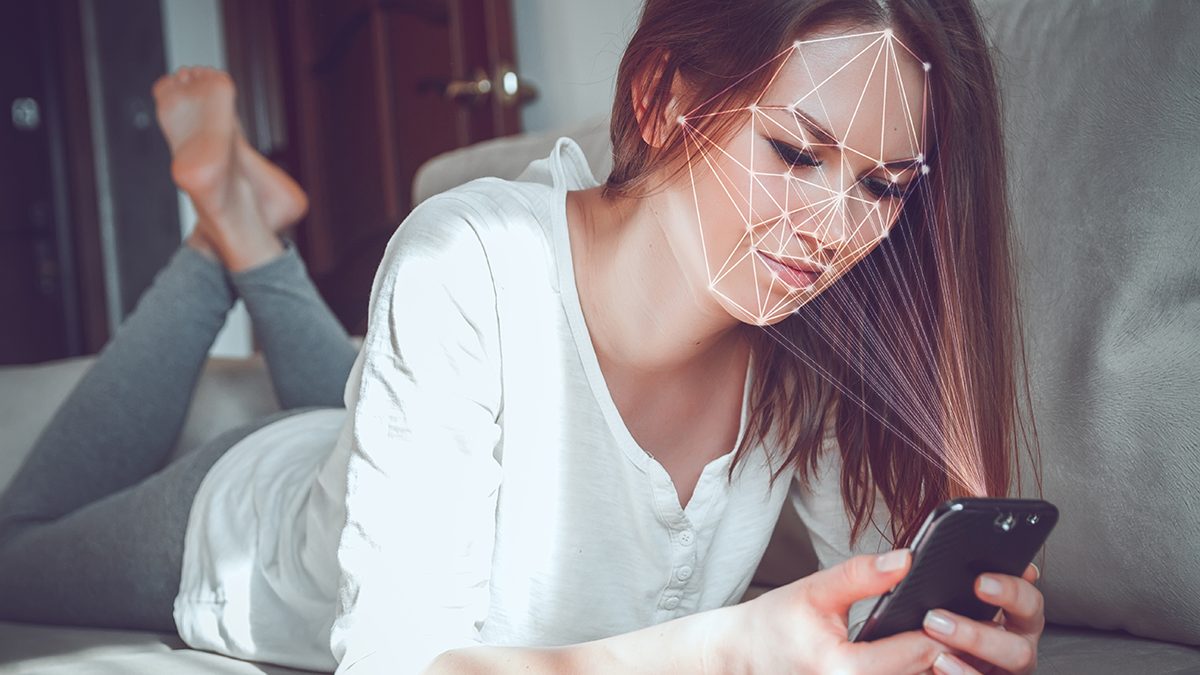
Generation of synthetic faces
To solve this problem that affects many areas – not just fertility – much progress has been made in imaging. Some of the advances have reached the mass media in the form of commercial apps for entertainment such as these that allow you to change the sex of a person in a photo or that simulate how you will look when aged.
Best Countries for IVF Revealed
Popular countries, costs, success rates, legal frameworks and availability in one comprehensive 100-page guide. 10K+ downloads
Best Countries for IVF Revealed
Popular countries, costs, success rates, legal frameworks and availability in one comprehensive 100-page guide. 10K+ downloads
Find the Right IVF Clinic Abroad
Get personalised clinic suggestions, cost clarity, donor options and next-step guidance before you contact clinics.
IVF Clinics Directory
Carefully selected clinics based on patients' reviews and clinics’ experience.
Compare IVF Packages Costs
Explore comprehensive IVF packages that include treatment costs, additional services, and special offers.
A very surprising website is „This person doesn’t exist” which generates „photos” of non-existing people of different ages, races, and sexes. As the algorithm is trained, the representations are more and more realistic and it is difficult to believe that these people do not really exist. These images in turn are used by researchers around the world for scientific purposes.
How do we decide if someone looks like someone else?
People are capable of perceiving the resemblance, but it is somewhat subjective. The clearest example are toddlers, to whom the paternal family always finds a similarity with someone on their side and the mother’s family on hers. Still, the truth is that there is usually a certain consensus. The challenge lies in replicating what is done naturally and intuitively by the human being using a machine.
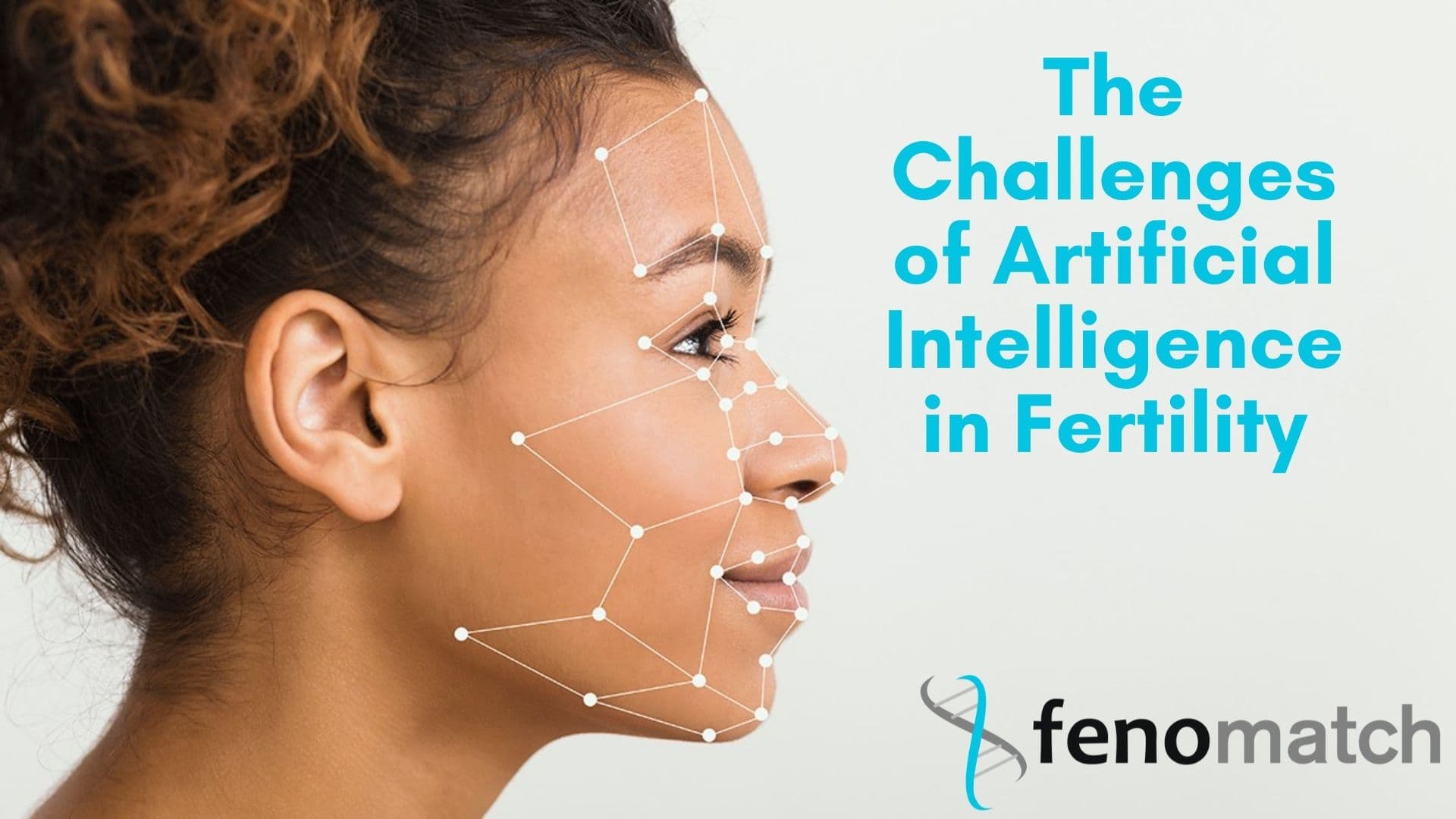
Results from Facial Matching tools such as Fenomatch aimed at quantifying similarity have proven to be quite exact and have accurate results. Generic Facial Recognition tools are inefficient because they are geared toward identifying people, not answering the question of how much two photos resemble each other. Furthermore, they are not trained to face this specific issue.
Find the Right IVF Clinic Abroad
Get personalised clinic suggestions, cost clarity, donor options and next-step guidance before you contact clinics.
To date, a global approach was being used to address the challenge of resemblance until now. This means that tools are globally looking at faces and analyzing the resemblance between patients and donors. The new path is working on isolating some of the specific features of people (those beautiful eyes or that nose that captivated us) and look for those who share them.
The future of donor selection
Artificial intelligence will allow the selection of donors to be more and more precise. The future is to invest in developing distinct tools for fertility that respond to the specific problems of this sector of medicine.
Many fertility clinics already use tools based on AI and they use them in the process of selecting egg and sperm donors for their patients. For your convenience, we have included that information in the clinic profiles we publish. Browse the clinics and look for Fenomatch availability.