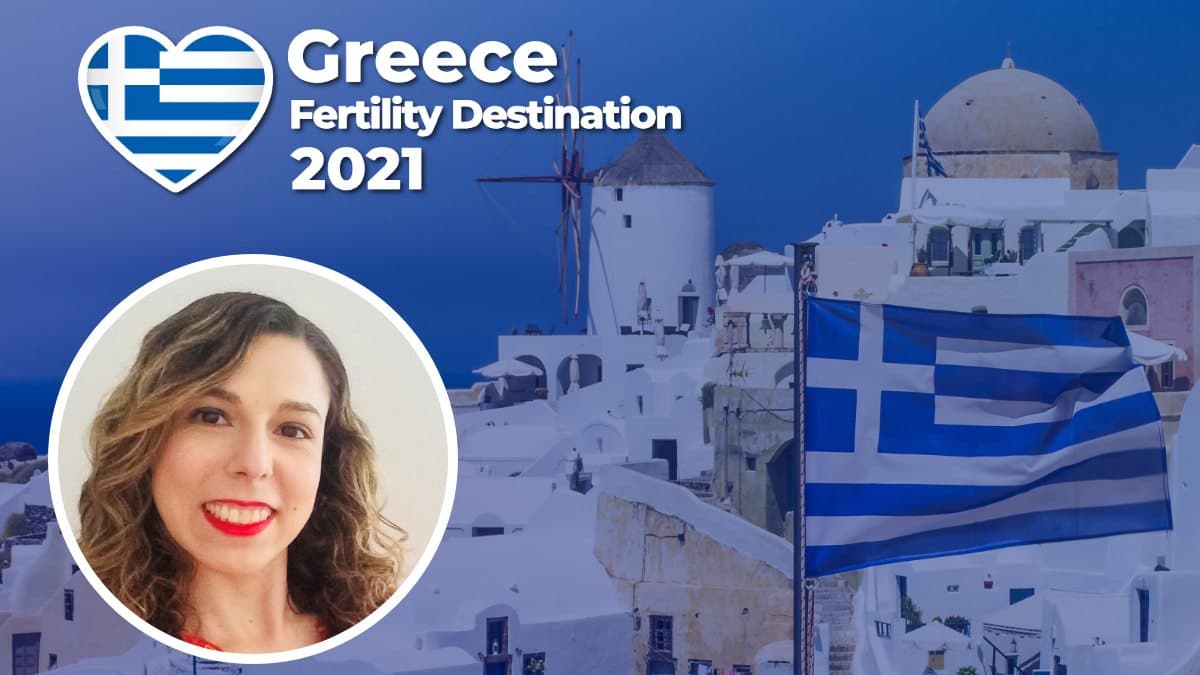
Greece is one of the top destinations for fertility treatment in Europe. Most clinics are located in the biggest cities: Athens and Thessaloniki. In this article we share interesting facts about Greece as a destination for treatment, so you make an informed decision about your fertility journey.
- Fertility regulations & treatment in Greece
- Who can receive Fertility Treatment in Greece?
- Fertility Clinics and International Patients
- Travelling to Greece
- Frequently Asked Questions
- What fertility treatments are available in Greece?
- Are fertility clinics regulated in Greece?
- Is egg donation anonymous in Greece?
- Are donors paid?
- What information may patients receive about a donor?
- What is the maximum age for fertility treatment?
- Can single women receive fertility treatment in Greece?
- Where are most fertility clinics located?
Fertility regulations & treatment in Greece
Reproductive laws are well established, and clinics are thoroughly regulated at the national level. You can have standard IVF, ICSI, donation and even surrogacy. In fact, Greece has one of the most surrogacy-friendly regulations in Europe, safeguarding the needs of surrogates and parents as well. Sperm, egg and embryo donation are allowed, anonymous and altruistic, meaning donors don’t receive financial compensation (but expenses can be paid). Information relating to height, weight, hair colour, eye colour, skin tone, blood group, and education is available to patients choosing donation as a way to select a donor.
Who can receive Fertility Treatment in Greece?
The maximum age accepted for a woman undergoing fertility treatment is 54.
Treatment is available to:
- Heterosexual couples
- Single women
Fertility Clinics and International Patients
Doctors in Greece are described as highly experienced and have a long history of treating patients from many countries. Clinical teams commonly speak English fluently, and many also speak other languages.
Treatment in Greece is often less expensive than treatment in the United Kingdom.
 Travelling to Greece
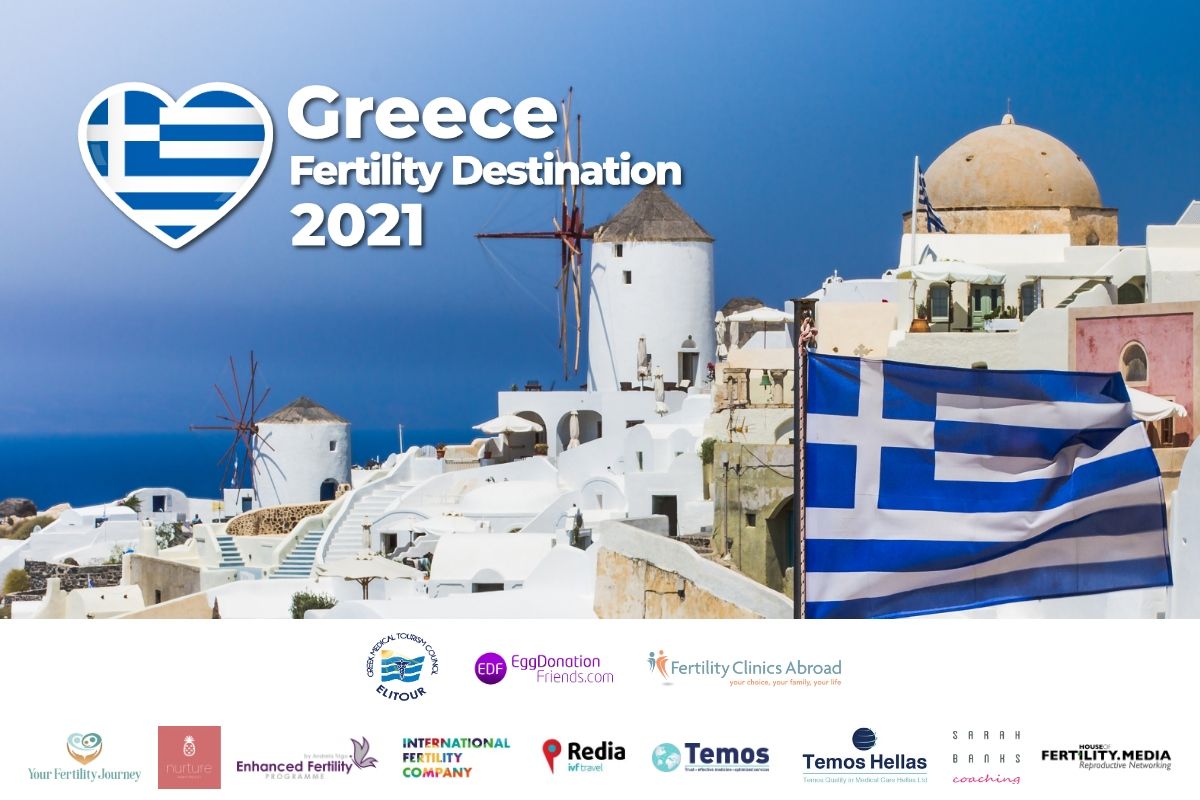
There are several fertility clinics in Greece and flying there is relatively easy and cheap in most airlines. You can easily make a weekend trip and feel no jet lag. If you need to visit the clinic a few times as part of treatment, this is certainly something to keep in mind.
Best Countries for IVF Revealed
Popular countries, costs, success rates, legal frameworks and availability in one comprehensive 100-page guide. 10K+ downloads
Best Countries for IVF Revealed
Popular countries, costs, success rates, legal frameworks and availability in one comprehensive 100-page guide. 10K+ downloads
Find the Right IVF Clinic Abroad
Get personalised clinic suggestions, cost clarity, donor options and next-step guidance before you contact clinics.
IVF Clinics Directory
Carefully selected clinics based on patients' reviews and clinics’ experience.
Compare IVF Packages Costs
Explore comprehensive IVF packages that include treatment costs, additional services, and special offers.
If you are considering treatment in the near future, you may be wondering about the impact of coronavirus in Greece. Greece had one of the lowest cases of coronavirus earlier in the year due to implementing safety measures early. At the moment, to travel to Greece, you must have a COVID-negative PCR test conducted in the country of departure within 72 hours of arrival in Greece. You must also complete a Passenger Locator Form at least 24 hours before your arrival in Greece. When you arrive in Greece, the Greek authorities will check your Passenger Locator Form and may require you to undergo testing for coronavirus, as part of health screening. Any passenger entering Greece may be asked to undergo a test, but you are more likely to be asked if you have arrived from a country outside of the EU (including the UK), either directly or via indirect flights. If you are required to test, you will need to practise social distancing and self-monitor for symptoms for 24h until you know the result of the test. If you have a positive result, will need to self-isolate for 14 days. This quarantine may be in government-provided accommodation. If authorities don’t request a test at arrival, you will not be required to self-isolate. In Greece, it is mandatory to wear a face mask on public transport, public indoor spaces (including medical facilities). Because of the current travel challenges, several fertility clinics are offering online consultations, allowing you to minimise the number of times you need to travel to Greece.
Find the Right IVF Clinic Abroad
Get personalised clinic suggestions, cost clarity, donor options and next-step guidance before you contact clinics.
Greece is also a beautiful destination to relax. You can make a mini holiday out of your time there, enjoy the good weather and great food.
Frequently Asked Questions
What fertility treatments are available in Greece?
The available treatments described include standard IVF, ICSI, sperm donation, egg donation, embryo donation, and surrogacy.
Are fertility clinics regulated in Greece?
Yes. Reproductive laws are well established, and clinics are thoroughly regulated at the national level.
Is egg donation anonymous in Greece?
Yes. Sperm, egg, and embryo donation are anonymous and altruistic.
Are donors paid?
Donors do not receive financial compensation. However, expenses associated with donation may be covered.
What information may patients receive about a donor?
Patients may receive information about the donor’s height, weight, hair colour, eye colour, skin tone, blood group, and education.
What is the maximum age for fertility treatment?
The maximum accepted age for a woman undergoing fertility treatment is 54. However, additional tests and qualification restrictions may apply to patients over 50
Can single women receive fertility treatment in Greece?
Yes. Treatment is available to single women.
Where are most fertility clinics located?
Most clinics are located in Athens and Thessaloniki.