The search for motherhood and fatherhood can be an emotional and medical challenge. Spain has established itself as an international benchmark in reproductive medicine, thanks to advanced legislation on assisted reproduction and strict controls that guarantee the safety and efficacy of each treatment.
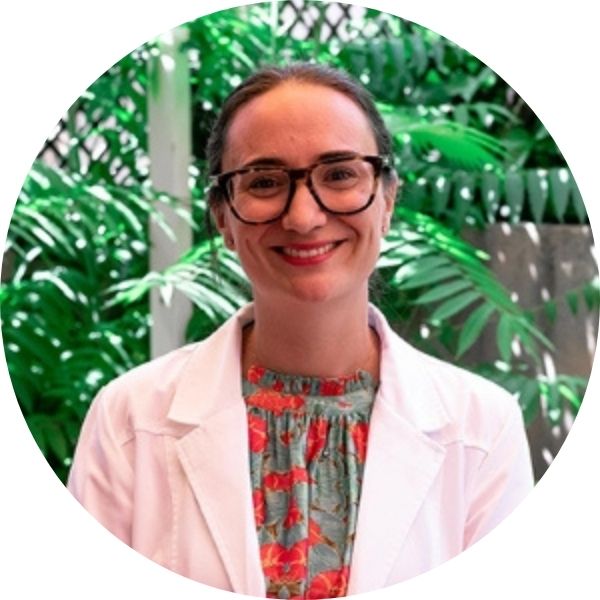
Dr Laura García de Miguel, Medical Director at Clinica Tambre, explains:
„Unlike other countries, where certain procedures are not permitted or regulated, in Spain we have a legal framework that allows options such as embryo adoption and double gamete donation. These techniques have revolutionised the assisted reproduction panorama, offering hope to couples or women with difficulties in conceiving naturally.”
- Embryo Adoption or Double Donation – What to Choose?
- Embryo Adoption: an Open Door to Hope
- Process and Considerations in Embryo Adoption
- Dual Donation: a Comprehensive Approach to IVF
- What Are the Differences Between the Two Treatments?
- For which patients is embryo adoption indicated, and for which patients is double donation indicated?
- In Spain the Donation is Anonymous
- Ethical and Psychological Considerations in Double Donation
- Success Rates of Double Donation and Embryo Adoption
- Personalised Decisions and Comprehensive Support
Embryo Adoption or Double Donation – What to Choose?
Embryo adoption is an ideal option for patients who cannot use their own gametes, allowing the transfer of embryos previously donated by other couples. In the case of double gamete donation, this involves in vitro fertilisation (IVF) with donor eggs and sperm, selected under rigorous medical, immunological and genetic criteria. These techniques are not only effective medical solutions, but also a sign of generosity on the part of the donors, and offer hope to those who wish to start a family, whether for medical reasons or as an act of thoughtful altruism.
Embryo Adoption: an Open Door to Hope
Embryo adoption is a process in which embryos left over from in vitro fertilisation (IVF) treatments are donated by couples who have completed their family or no longer wish to have children. This altruistic and anonymous act has allowed many people to fulfil their desire to become parents. According to studies by fertility specialists, embryo adoption has encouraging success rates, especially for women who have experienced previous treatment failures or have genetic problems that make conception difficult.
Process and Considerations in Embryo Adoption
The embryo adoption process involves the selection of a donated embryo that matches the physical, immunological and genetic characteristics of the recipient woman.
Dr Laura García de Miguel, Medical Director at Clinica Tambre, points out that
„this process does not require long waiting lists, as donated embryos are immediately available for transfer. However, adequate endometrial preparation is crucial to ensure successful implantation and pregnancy development.”
Dual Donation: a Comprehensive Approach to IVF
On the other hand, double donation is an IVF treatment that combines eggs from an anonymous donor with sperm from an anonymous donor to generate embryos that will be transferred to the recipient woman. This technique offers several advantages, such as the possibility of selecting donors who meet specific health and physical criteria, as well as the ability to freeze embryos for future attempts if necessary.
Comparative studies between double donation and gamete donation have shown that success rates in double donation are higher.
A meta-analysis published in the journal „Fertility and Sterility” examined the outcomes of double donation in women with previous IVF failures and oocyte quality problems. The study analysed data from multiple assisted reproduction centres and revealed that the cumulative pregnancy rate reached approximately 75-80% after three cycles of double donation treatment. This demonstrates the high efficacy of this technique, especially in complex cases where conventional IVF treatments have previously failed.
- Double donation was particularly effective in older women and those with low ovarian reserve.
- Pregnancy rates per cycle were high, ranging from 50-60% per transfer.
- The live birth rate was also significantly higher compared to conventional IVF cycles in these patient groups.
These findings support the idea that double donation is a highly effective option for couples who have experienced multiple failures in previous IVF treatments, especially when there are oocyte quality problems or severe male factors.
What Are the Differences Between the Two Treatments?
The main difference between embryo adoption and double gamete donation lies in the origin and creation process of the embryos:
Embryo adoption
- It uses existing embryos, previously created by other couples in fertility treatments.
- The embryos are frozen and available for immediate transfer.
- It generally has a lower cost, as it does not require a new cycle of in vitro fertilisation.
Double gamete donation
- It involves creating new embryos specifically for the recipient couple.
- It uses eggs from a donor and sperm from a donor selected for the case.
- It requires a complete cycle of in vitro fertilisation, including ovarian stimulation of the donor.
- It allows greater control over the selection of donors according to phenotypic characteristics.
- It tends to offer more embryos per cycle, which can increase cumulative success rates.
In both cases, the recipient couple relinquishes their own genetic load. The choice between these options will depend on factors such as cost, the availability of compatible embryos, and the couple’s personal preferences regarding donor selection.
For which patients is embryo adoption indicated, and for which patients is double donation indicated?
Both options are indicated for couples with fertility problems who are unable to achieve pregnancy using their own gametes. This may be due to poor egg or sperm quality, recurrent miscarriages, or the presence of genetic or chromosomal diseases that could be passed on to offspring.
Embryo adoption and double donation are also viable alternatives for women who choose to become single mothers, as well as for those who are elderly or who have experienced previous IVF treatment failures with their own eggs. In addition to being effective medical solutions, these procedures can represent a thoughtful altruistic act, in which prospective parents choose to contribute to a generous process of life creation.
Best Countries for IVF Revealed
Popular countries, costs, success rates, legal frameworks and availability in one comprehensive 100-page guide. 10K+ downloads
Best Countries for IVF Revealed
Popular countries, costs, success rates, legal frameworks and availability in one comprehensive 100-page guide. 10K+ downloads
Find the Right IVF Clinic Abroad
Get personalised clinic suggestions, cost clarity, donor options and next-step guidance before you contact clinics.
IVF Clinics Directory
Carefully selected clinics based on patients' reviews and clinics’ experience.
Compare IVF Packages Costs
Explore comprehensive IVF packages that include treatment costs, additional services, and special offers.
At centres such as Clinica Tambre, the procedure begins with a personalised assessment of each case, in order to offer patients the most appropriate reproductive solutions. Once the decision has been made, we accompany the parents-to-be throughout the entire process until pregnancy is achieved. Initially, we carry out all the necessary tests and studies to ensure that everything is in optimal conditions for pregnancy, and if any alteration is detected, we apply the appropriate treatment.
We then select the embryos or gamete donors that best match the physical, immunological and genetic characteristics of the recipient woman or couple, also taking into account blood type and Rh factor. This careful approach ensures not only the viability of the treatment, but also a personalised and safe experience for each patient.
In the case of embryo donation, this selection will be less precise than in double gamete donation. Subsequently, we will start the IVF treatment or embryo devitrification, depending on the case. And after a process of endometrial preparation, the embryo transfer will be carried out.
In order to prepare for the embryo transfer, if our patient has regular periods, we can opt for a natural cycle, following her ovulation. If, on the other hand, the patient does not have periods or prefers to schedule it on a specific date, we can use a cycle substituted with external hormones: oestrogens and progesterone. There is no difference in the results in terms of embryo implantation between the two methods of uterine preparation.
In Spain the Donation is Anonymous
In Spain, the identity of donors is protected by law. Law 14/2006 on Assisted Human Reproduction Techniques establishes that gamete donation must be anonymous. This means that:
- The identity of the donors is not disclosed to the recipients or to the children born from the donation.
- Assisted reproduction centres are obliged to guarantee the confidentiality of donor data.
- In Spain, there is a National Donor Registry that houses the identity information of donors in the SIRHA computer platform. The confidentiality of this data is guaranteed.
- Recipients and children born of donations have the right to obtain general information about the donors, but not their identity. And only in extraordinary circumstances involving certain danger to the life or health of the child, or for legal reasons, can the identity of the donor be revealed.
- Limit of 6 children born
- There are also legal limitations to protect privacy and avoid ethical problems. There is a limit of 6 children born in Spain for each donor.
Ethical and Psychological Considerations in Double Donation
While double donation offers significant opportunities to achieve pregnancy, it also raises important ethical and psychological considerations.
Dr Laura García de Miguel stresses the importance of providing comprehensive support to couples and individuals who opt for this treatment, including genetic and psychological counselling to address any ethical concerns or dilemmas that may arise.
It is crucial to bear in mind that in both embryo adoption and double donation, the donor selection process is carried out rigorously to guarantee the health and genetic quality of the embryos generated.
Success Rates of Double Donation and Embryo Adoption
Double donation offers similar success rates to oocyte donation, as the quality of the egg is a crucial factor in the success of the treatment. According to the National Activity Registry 2021 of the Spanish Fertility Society (SEF), the pregnancy rate for fresh embryo transfer is 55.4%.
Find the Right IVF Clinic Abroad
Get personalised clinic suggestions, cost clarity, donor options and next-step guidance before you contact clinics.
The success rates of double donation are generally higher than those of IVF with the donor’s own gametes, especially in cases of advanced maternal age or severe fertility problems. This is partly due to the quality of the gametes, as donors are young and undergo rigorous health checks. Donor selection is an exhaustive process that includes medical, psychological and genetic evaluations. And all transfers are done at the blastocyst stage, which increases the chances of implantation.
The pregnancy rate in embryo adoption is 46%. It is important to take into account some factors that influence these rates, such as the quality of the embryos donated. Also the characteristics of the recipient woman, which although not primordial, also influence the result. It is noteworthy that the embryos used in this treatment come from couples with fertility problems, which may affect the chances of success.
Embryo adoption offers a reasonable success rate, especially considering that it uses embryos that would otherwise not be used. However, success rates are generally lower than in treatments such as double gamete donation.
Personalised Decisions and Comprehensive Support
The choice between embryo adoption and double donation is unique to each individual or couple and should be based on medical, emotional, ethical and personal considerations. The fertility expert emphasises the importance of offering a personalised approach and comprehensive support to patients throughout the treatment process.
It is essential that patients receive detailed information about both options, including possible risks, benefits and expected outcomes. In addition, psychological support before, during and after treatment is essential to help patients cope with the emotional challenges associated with infertility and assisted reproductive treatments.
Dr Laura García de Miguel at Clinica Tambre, summarizes:
Embryo adoption and double donation represent significant advances in the field of fertility, providing hope and opportunities for those who dream of starting a family. With a multidisciplinary and personalised approach, it is possible to address the challenges of infertility and help patients achieve their goal of conceiving and welcoming a desired child.