Pregnancy loss occurs before the 20th week and affects around 20-25% of pregnancies. Biochemical pregnancies-where loss happens very early-may go unnoticed. Recurrent pregnancy loss (RPL) is defined as three or more consecutive losses and can be caused by:.
- Genetic abnormalities (e.g., karyotype alterations)
- Immunological issues (e.g., autoimmune diseases)
- Infections (bacterial, viral, parasitic)
- Endometrial receptivity problems
- Structural uterine abnormalities
- Hormonal imbalances
- Lifestyle factors and stress
- Types of Pregnancy Loss
- Diagnostic Testing for RPL
- Solutions Based on Underlying Causes
- Genetic Causes
- Receptivity Issues
- Immunological Factors
- Case Studies
- What’s the most common cause?
- Is IVIG effective for RPL?
- Is unexplained infertility common?
- How to regain strength after RPL?
- After multiple failed treatments, what next?
- Should women over 40 wait for 3 losses before testing?
- Is PGT-A reliable?
- Can PGT-A be performed on frozen blastocysts?
- Is transferring more than one PGT-A embryo risky?
Types of Pregnancy Loss
- Biochemical pregnancy: Positive test, no embryo seen via ultrasound
- Early miscarriage: Loss before week 14
- Late miscarriage: Loss before week 24
- Premature delivery: After week 24
Each type requires a specific clinical approach.
Diagnostic Testing for RPL
To uncover underlying causes, the following tests may be used:
- Karyotype testing for both partners
- PGT-A (Preimplantation Genetic Testing for Aneuploidy)
- Immunological panels (e.g., NK cells, HLA compatibility)
- Thrombophilia and hormone testing
- Serology for infections (e.g., HIV, Hepatitis)
- Uterine imaging (e.g., HSG, HSC)
- Endometrial receptivity testing (e.g., ER Map)
Solutions Based on Underlying Causes
Genetic Causes
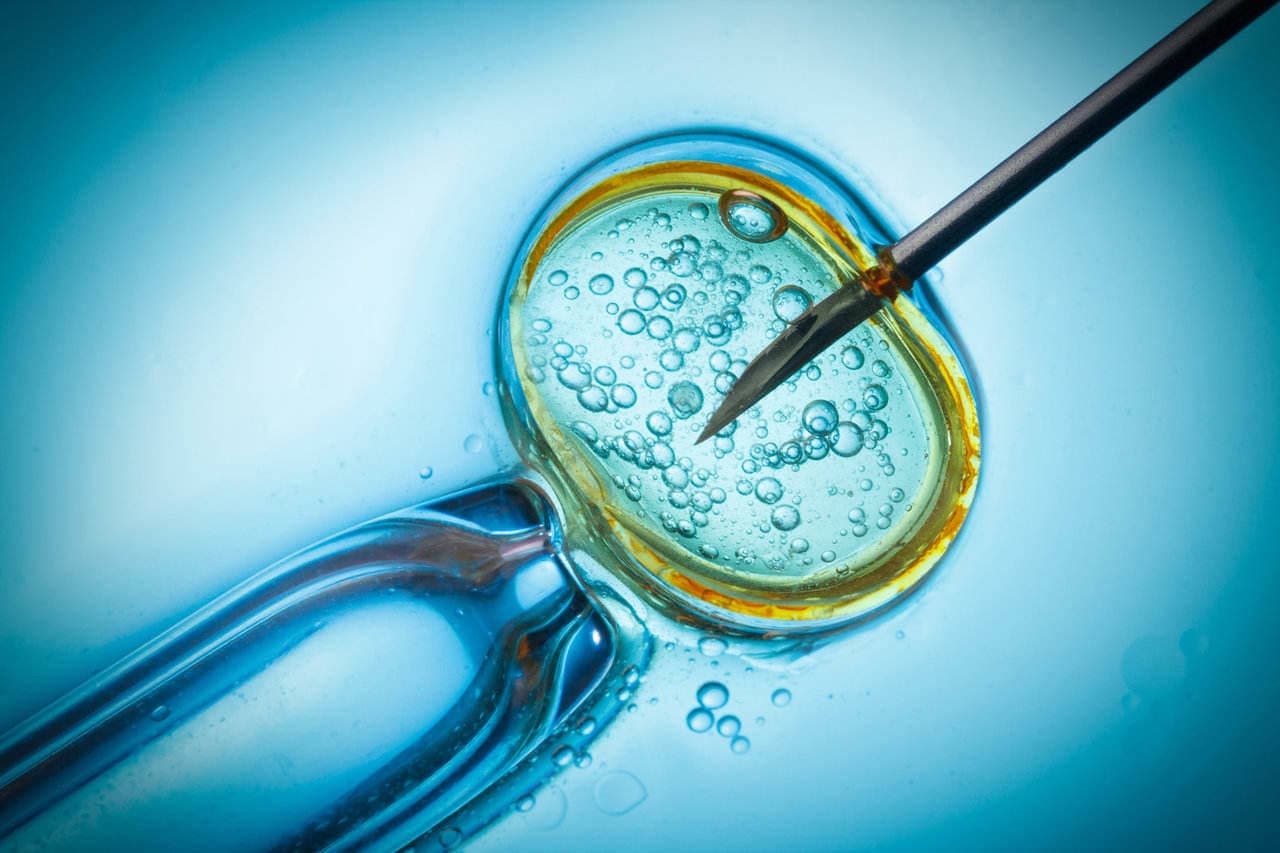
- PGT-A: Biopsy of 16-20 cells from blastocysts to identify chromosomal abnormalities
- Egg Donation: Ideal for low ovarian reserve or poor egg quality; offers higher chances of obtaining euploid embryos
Receptivity Issues
- Window of Implantation (WOI): Determines the optimal moment for embryo transfer
- ER Map: Examines gene expression of 48 endometrial markers to assess receptivity
Immunological Factors
- Includes autoimmune disorders like lupus or antiphospholipid syndrome
- Testing includes NK cell activity, HLA compatibility, and cytokine balance (TH1/TH2)
- Treatment is adapted according to test results and may include immunomodulatory therapy
Case Studies
42-year-old woman: Low AMH, history of miscarriages and failed IVF. PGT-A showed no euploid embryos. Egg donation led to a successful pregnancy and live birth.
Best Countries for IVF Revealed
Popular countries, costs, success rates, legal frameworks and availability in one comprehensive 100-page guide. 10K+ downloads
Best Countries for IVF Revealed
Popular countries, costs, success rates, legal frameworks and availability in one comprehensive 100-page guide. 10K+ downloads
Find the Right IVF Clinic Abroad
Get personalised clinic suggestions, cost clarity, donor options and next-step guidance before you contact clinics.
IVF Clinics Directory
Carefully selected clinics based on patients' reviews and clinics’ experience.
Compare IVF Packages Costs
Explore comprehensive IVF packages that include treatment costs, additional services, and special offers.
27-year-old woman: No previous pregnancies, repeated IVF failures. PGT-A identified 6 euploid embryos, but initial transfer failed. Receptivity testing showed pre-receptive endometrium. Adjusted progesterone timing resulted in pregnancy.
What’s the most common cause?
Genetic issues and implantation window mismatches are the most frequent. Patients also face emotional trauma, frustration, guilt, and loneliness, which must be addressed in parallel.
Is IVIG effective for RPL?
It may be beneficial for patients with elevated antibodies, but not for those with isolated NK cell elevation. Treatment must be customized based on immunological mapping.
Is unexplained infertility common?
While science continues to evolve, some cases remain undiagnosed. A thorough diagnostic process is key, but not all infertility has a known cause yet.
How to regain strength after RPL?
Avoid blame, focus on the future, join support groups, and connect with others experiencing similar struggles. Emotional healing is essential.
After multiple failed treatments, what next?
More medication is not always the answer. Endometrial analysis is crucial. Adding treatments without understanding the cause can be counterproductive.
Should women over 40 wait for 3 losses before testing?
No. In older patients, every embryo is precious. Testing should be done before the first transfer to maximize success chances.
Is PGT-A reliable?
Yes, though no test is 100% accurate. Miscarriages may still occur despite transferring euploid embryos. Many other factors influence pregnancy.
Can PGT-A be performed on frozen blastocysts?
Yes. Embryos can be thawed, biopsied, and re-frozen. This is common in cases where embryos were created abroad but require genetic testing.
Is transferring more than one PGT-A embryo risky?
Yes. Twin pregnancies increase risks (e.g., preeclampsia, gestational diabetes). Transferring one embryo at a time increases overall success.