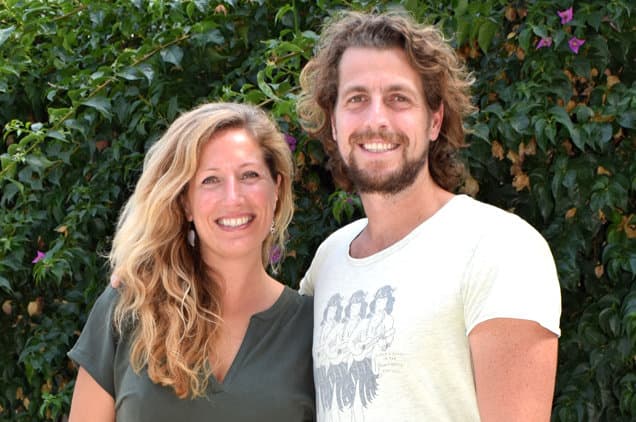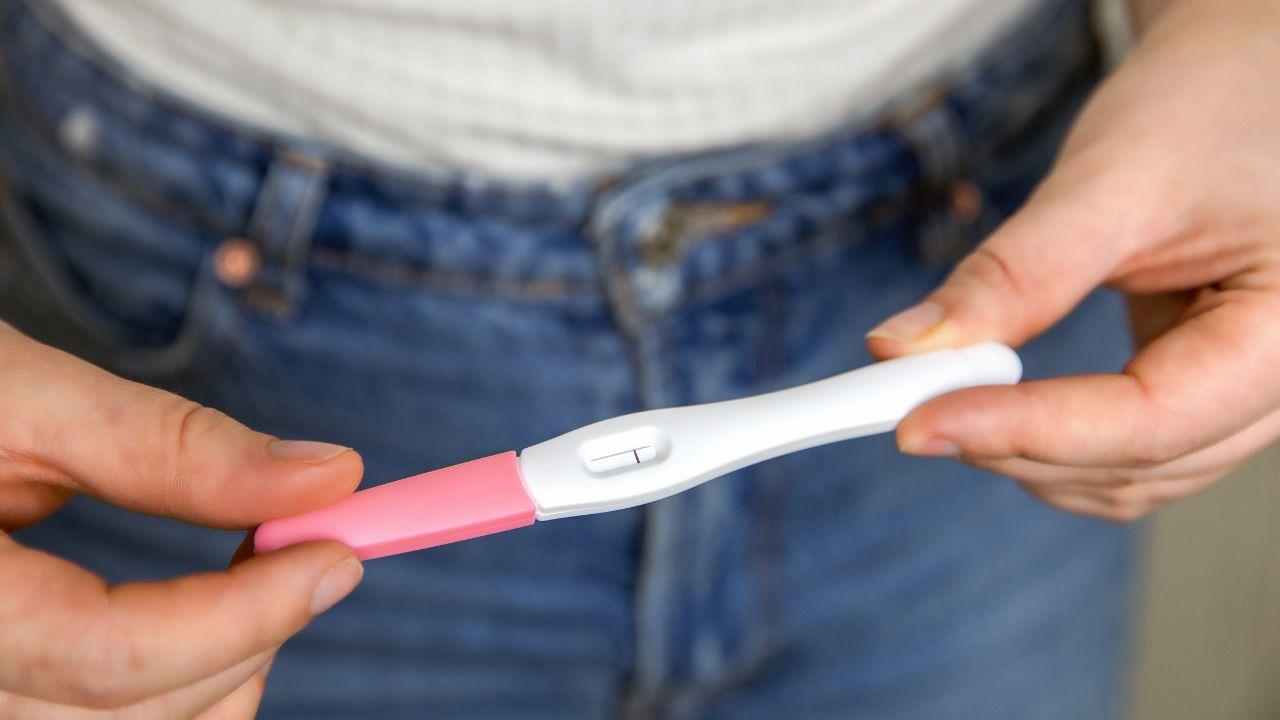
About twenty donor IVF cycles. Several clinics. Not a single positive pregnancy test.
She began with egg donation, using her partner’s sperm. After they separated, she carried on alone with double donation, using donor eggs and donor sperm. Her hormone and metabolic tests were always normal. The embryos came from young, healthy donors. And still, nothing.
At 46, she came to Cyprus IVF Hospital. Dr İçten Balık Kıvançlı started with a question that’s easy to overlook when donor embryos keep failing: is the problem the place the embryos are being transferred into?
The doctor behind the case
Dr İçten Balık Kıvançlı is an IVF specialist and obstetrician-gynaecologist with more than 16 years of experience. She studied medicine at Ankara University Faculty of Medicine and completed her specialisation in Obstetrics and Gynaecology at the same university. She worked at Famagusta State Hospital from 2013 to 2015, and has been at Cyprus Central Hospital since 2015.
Best Countries for IVF Revealed
Popular countries, costs, success rates, legal frameworks and availability in one comprehensive 100-page guide. 10K+ downloads
Best Countries for IVF Revealed
Popular countries, costs, success rates, legal frameworks and availability in one comprehensive 100-page guide. 10K+ downloads
Find the Right IVF Clinic Abroad
Get personalised clinic suggestions, cost clarity, donor options and next-step guidance before you contact clinics.
IVF Clinics Directory
Carefully selected clinics based on patients' reviews and clinics’ experience.
Compare IVF Packages Costs
Explore comprehensive IVF packages that include treatment costs, additional services, and special offers.
Her main areas of interest are advanced maternal age, implantation failure and miscarriage. She also treats endometriosis, PCOS and other ovulation disorders, diminished ovarian reserve, unexplained infertility, uterine factors including fibroids, and tubal factors.
Would you like Dr İçten Balık Kıvançlı to review your case? Send your medical history to Cyprus IVF Hospital and ask for a second opinion. Contact Dr İçten Balık Kıvançlı
The finding
After reviewing the patient’s long treatment history, Dr Kıvançlı recommended a hysterosalpingography (HSG), an X-ray that shows the shape of the uterus and the fallopian tubes.
It revealed a uterine septum: a band of tissue that divides the inside of the uterus, partly or fully. A septum can make it harder for an embryo to implant, because the tissue doesn’t provide a good place for it to attach and grow.
What was done differently
- Removing the septum. The patient had a hysteroscopy, a procedure in which a thin camera is passed through the cervix into the uterus. During it, the septum was carefully removed to restore the shape of the uterine cavity.
- Helping the uterus heal. After the procedure, she was given oestrogen to help the lining of the womb recover. An intrauterine device (IUD) was placed temporarily to prevent scar tissue from forming inside the uterus.
- A frozen embryo transfer. Once she had healed, a frozen embryo transfer was planned. Her lining was prepared with oral oestrogen, and transdermal oestrogen was added for extra support. By day 14 of her cycle, the lining had reached 8.1 mm. One day before the transfer, her progesterone level was 16.1 ng/ml.
Transfer day
Two blastocysts were transferred: one graded 4AA and one 3CC, NGS tested.
Because of her long history of implantation failure, Dr Kıvançlı added immune support. The patient took Prednol (a corticosteroid) until week 10 of pregnancy and received intralipid infusions around implantation and in early pregnancy.
Her first positive test
Twelve days after the transfer, her beta-hCG was 103 IU/L and her progesterone was 27 ng/ml. Forty-eight hours later, her hCG had risen to 431 IU/L, more than four times the first result.
Find the Right IVF Clinic Abroad
Get personalised clinic suggestions, cost clarity, donor options and next-step guidance before you contact clinics.
After around twenty cycles, it was the first positive pregnancy test of her journey.
In Dr Kıvançlı’s words
„This case highlights the importance of reassessing the uterine cavity in patients with repeated unsuccessful IVF treatments, even when routine hormonal and metabolic investigations are normal. Identification and surgical correction of the uterine septum allowed us to optimise the cavity before proceeding with embryo transfer.
Following hysteroscopic treatment and individualised endometrial preparation, a carefully monitored frozen embryo transfer was performed with additional supportive treatment based on the patient’s previous implantation history. The subsequent rise in β-hCG confirmed a positive pregnancy, demonstrating the potential benefit of identifying and addressing previously undiagnosed uterine factors in complex fertility cases.”
If donor embryos haven’t worked for you
When you’ve moved to donation and it still isn’t working, it can feel like there’s nothing left to change. But your uterus is still part of the story, and normal blood tests don’t show its shape.
No doctor can guarantee the same outcome for every patient. But a careful look at your uterine cavity might reveal something no one has checked before.
Would you like Dr İçten Balık Kıvançlı to review your case? Send your medical history to Cyprus IVF Hospital and ask for a second opinion. Contact Dr İçten Balık Kıvançlı