Egg freezing – all you need to know | Interview with Prof. Luciano Nardo
When it comes to female fertility, age is of paramount importance. As women get older, their oocytes diminish in numbers and in quality and this brings problems with natural conception. That is why egg freezing seems to be a perfect solution that helps pause the biological clock. We have interviewed Prof. Luciano Nardo, Clinical Director of Reproductive Health Group, on the topic of social egg freezing. If you are in your 20s or early 30s and planning family in the future, this article is exactly for you.
Egg freezing has been recognised by the HFEA (Human Fertilisation & Embryology Authority), the UK regulator of fertility clinics, as ‘rapidly emerging as a viable clinical technique to preserve a woman’s fertility’. It is certainly an area in which there have been many advances during the 20 years that I have been practising as a fertility specialist. The technology has advanced and so have attitudes towards egg freezing, with a large rise seen in cases of freezing eggs for social rather than for medical reasons.
Whatever your reasons are for considering this technique, there are some aspects that are crucial to think about before beginning the process.
Get free egg storage at RHG
What is egg freezing?
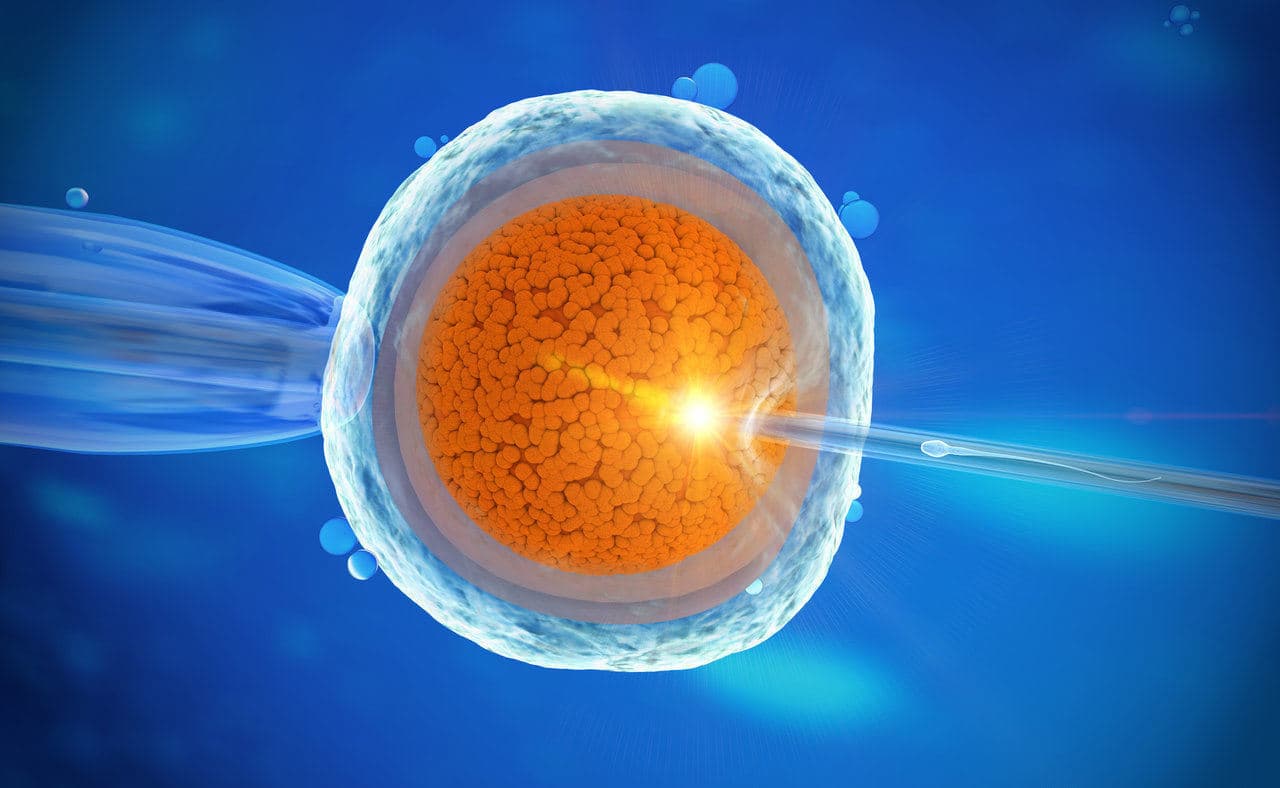
Put simply, egg freezing means that eggs will be harvested from your ovaries, frozen unfertilised in a laboratory and stored there for you to use at a time of your choosing.
What is the process?
There are 5 steps to the process – the initial appointment, preparation, monitoring, collection and freezing.
At your initial consultation with your fertility specialist, your medical and reproductive history will be discussed and your consultant may recommend some investigations or tests first before proceeding any further. These will usually be a blood test to look at your ovarian reserve and possibly an ultrasound scan too.
Once you are ready to go ahead, your ovaries will need to be stimulated. This will be done by taking fertility drugs to help maximise the number of eggs produced during your next cycle.
Monitoring is done using ultrasound scans and sometimes blood tests as well. The aim is to establish when the best time for egg collection will be.
Egg collection is performed in operating theatre whilst you are under sedation. Eggs are collected by inserting a special probe into the vagina under ultrasound guidance and extracting the eggs from the follicles. It usually takes around 20 minutes to complete the collection process.
Mature eggs that are suitable for freezing will be frozen using a technique called vitrification and put into storage in the laboratory. They will remain there until you choose to use them.
Freezing and storage
In the past eggs used to be frozen using a ‘slow freezing’ technique. This though left them vulnerable to ice crystals forming in the cells, which would damage the egg to the point where it would not survive to successfully fertilise. Vitrification, the technique which is used now, is ‘fast freezing’, so the eggs are frozen in liquid nitrogen so quickly that the chances of harmful crystals forming are significantly reduced. The UK law at the present time states that eggs can be frozen for up to 10 years.
Who should freeze their eggs?
The three groups of women who most commonly freeze eggs are:
Those who want to preserve their fertility so that they can potentially have a child in the future (this is known as ‘social egg freezing’). This could be because they have not yet found a stable partner, established career, or are not financially stable enough to want to start their family.
Those about to undergo medical treatment such as chemotherapy which may impact their fertility.
Those considering gender reassignment surgery.
When is it best to freeze eggs?
The age you are at the point you undergo egg freezing has a direct impact on the chances of later success – the younger you (and your eggs) are, the higher the chances of success. From a clinical point of view, the best time is during your 20s or early 30s, up until the age of 35. But interestingly according to the HFEA’s latest report ‘Egg freezing in fertility treatment: trends and figure 2010 – 2016’, it has been found that the younger a woman is when she freezes her eggs, the less likely she is to return to use them. This is thought to be because younger women have a better chance of still being able to conceive naturally, without having to use their frozen eggs, at the time they find themselves in a position to start a family. Older women (late 30s) on the other hand may need more cycles to collect a sufficient number of eggs, and have a lower birth rate, but have been found to be more likely to return to their clinic to use their frozen eggs, as their ability to conceive naturally has declined.
How successful is egg freezing?
Although the number of completed egg freezing and thawing cycles in the UK remains relatively small compared to other forms of fertility treatment, numbers are increasing. Birth rates from IVF using frozen donated eggs are in line with the success rates from fresh cycles, and whilst birth rates from frozen own eggs are at present slightly below those from fresh cycles, they too are increasing. However, as mentioned previously the age of the patient at the time that her eggs are frozen is a vital factor when looking at success rates so I would encourage anyone considering egg freezing to instigate starting the process at as young an age as possible to give themselves the best chance of a successful outcome later in life.
How much does it cost to freeze eggs?
At our clinic, Reproductive Health Group, the cost for egg freezing is currently £3,450 excluding consultations, blood screening tests, screening, medications and storage. Patients of EggDonationFriends.com and FertilityClinicsAbroad.com who undergo egg freezing with us between 1st September 2020 and 1st March 2021 will be entitled toFREE storage for the first 12 months. Contact our clinic to claim your 12 months of free oocyte storage. Get free egg storage at RHG
Egg freezing is an exciting prospect that could allow you to start your family at the time that is preferable for yourself and your lifestyle, however, it is important to be realistic about the success rates and to bear in mind factors such as age which could influence these.
Need help choosing an IVF clinic abroad?
Take 3 minutes to complete our Clinic Matching Test and save yourself hours of searching, comparing, and contacting clinics on your own. Tell us what matters most to you — your treatment type, destination preferences, expectations, and personal situation — and we will match you with 3 trusted IVF clinics abroad that fit your needs.
Our database includes only experienced fertility clinics that regularly support international patients and understand what matters during treatment abroad: clear communication, transparent information, patient care, and professional support.
The selected clinics will contact you directly within 3 working days, so you can compare your options and take the next step with more confidence.
After many months of gathering data from ministries of health and health institutions from the whole of Europe, analysing national legislations and guidelines for IVF treatment and preparing answers to fertility patients’ most commonly asked questions – here it is! We proudly announce the launch of our IVF ABROAD – PATIENT’S GUIDE. It is the […]
Interview with Cyprus Dunya IVF Medical Director Dr. Berk Angün
Dr. Berk Angün, could you please tell us what makes your country stand out from other medical destinations?Cyprus as a medical destination for IVF attracts a lot of patients from all over the world due to different reasons. First of all, Cyprus has very favourable legislation system which allows all types of Infertility treatments, forbidden […]
PreGen-UR Vistahermosa reproduction unit: transparency, quality and professionalism at lower costs
The good results, the globalization, the information via the Internet and the social networks, or low cost are the main causes that have increased the number of international patients looking for reproductive treatments in Spanish infertility centers, what unites no less important factor as donor anonymity. PreGen is a specialised team of the Reproduction Unit […]
Egg Donation: Interview with Dr. Jon Aizpurua
Egg donations or fertility treatments with oocyte donation is a reproduction technique highly requested by international patients, who come to IVF SPAIN searching for a treatment which is deemed illegal or does not preserve the donor’s anonymity in their home countries. Egg donation is the reproductive solution for patients who have not got any eggs […]
Cytoplasmic transfer – success rate? How does it work?
If you are trying to conceive naturally, you definitely know that with age a bigger number of mutations start to occur in your genetic material of each of your reproductive cells (eggs and sperm). Statistically speaking, oocyte quality falls rapidly after 35 or even earlier in some cases (for example when you smoke, have undergone surgeries […]
IVF with Donor Eggs Abroad: Join the Best Support Forums
Forums discussing IVF with donor eggs abroad offer a supportive space for women considering or undergoing fertility treatments in overseas clinics. Here, moms-to-be can connect and share personal experiences, from navigating foreign IVF clinics to coping with the unique emotions tied to using donor eggs.
Whether you’re just beginning or further along in the process, these forums are filled with real stories, practical advice, and warm encouragement that make the journey feel a bit easier.
Anonymous, Non-anonymous, Open or Known Egg Donation
Egg donation can be anonymous, non-anonymous, open, known or arranged through a mixed system. The main difference is how much identifying information is shared between the donor, recipient and donor-conceived child, and whether contact may become possible in the future. The available arrangement is not always a personal choice. Egg donation rules vary between countries, […]
CarrierMap Screening – Am I a Genetic Disease Carrier?
With the rapid development of the field of genomics, scientists are beginning to know increasingly more about genetic diseases and the impact of our DNA. The pioneers and leaders of reproductive genetic testing, Reprogenetics℠, Recombine℠, and Genesis Genetics℠, have joined forces as CooperGenomics℠ to provide genetic tests and services for every step of the fertility […]