Three IVF cycles in Turkey. Then surgery. Then two more transfers at home, both negative.
At 42, she had every reason to feel she had already tried everything. Her ovarian reserve was low. Fibroids had been found in the wall of her uterus. Her partner had been diagnosed with severe teratozoospermia, which means most of his sperm were abnormally shaped. Each problem on its own makes IVF harder. Together, they had kept the couple from the pregnancy they wanted.
When she came to Cyprus IVF Hospital, Dr İçten Balık Kıvançlı looked at the whole picture. For the final attempt, she made one simple but important suggestion.
The doctor behind the case
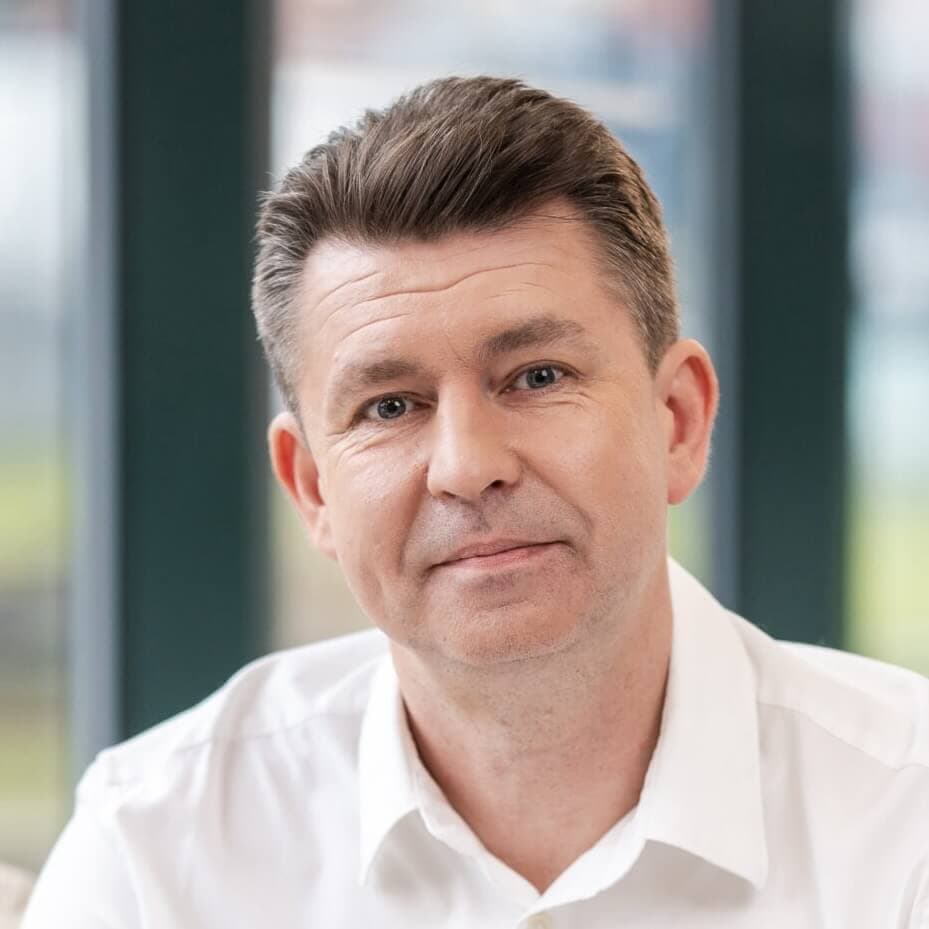
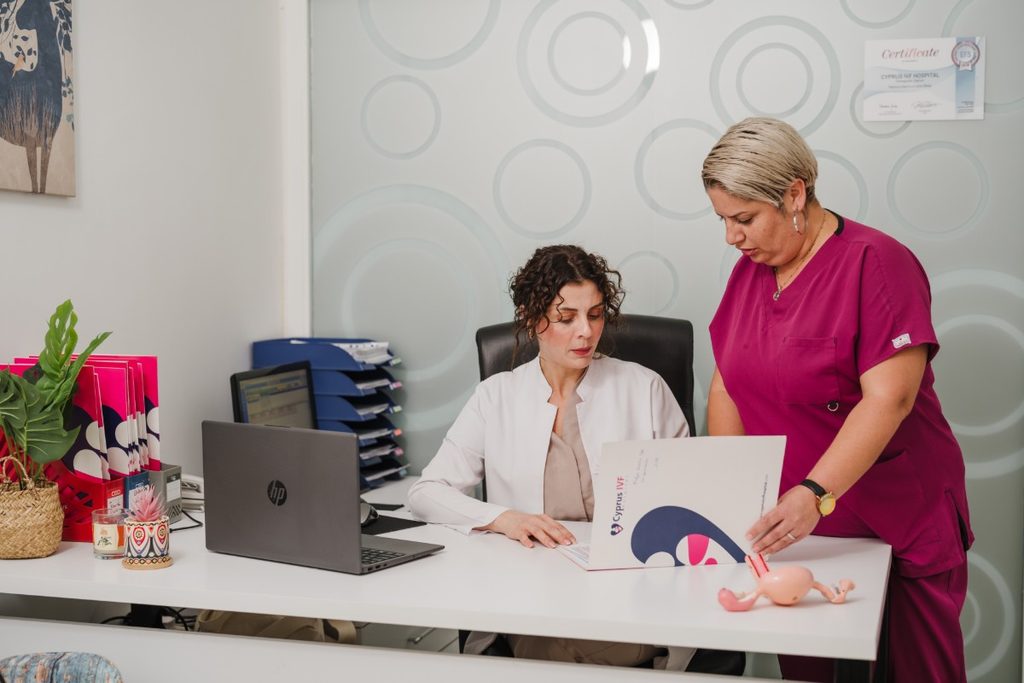
Dr İçten Balık Kıvançlı is an IVF specialist and obstetrician-gynaecologist with more than 16 years of experience. She studied medicine at Ankara University Faculty of Medicine and completed her specialisation in Obstetrics and Gynaecology at the same university. She worked at Famagusta State Hospital from 2013 to 2015, and has been at Cyprus Central Hospital since 2015.
Best Countries for IVF Revealed
Popular countries, costs, success rates, legal frameworks and availability in one comprehensive 100-page guide. 10K+ downloads
Best Countries for IVF Revealed
Popular countries, costs, success rates, legal frameworks and availability in one comprehensive 100-page guide. 10K+ downloads
Find the Right IVF Clinic Abroad
Get personalised clinic suggestions, cost clarity, donor options and next-step guidance before you contact clinics.
IVF Clinics Directory
Carefully selected clinics based on patients' reviews and clinics’ experience.
Compare IVF Packages Costs
Explore comprehensive IVF packages that include treatment costs, additional services, and special offers.
Her main areas of interest are advanced maternal age, implantation failure and miscarriage. She also treats endometriosis, PCOS and other ovulation disorders, diminished ovarian reserve, unexplained infertility, uterine factors including fibroids, and tubal factors.
Would you like Dr İçten Balık Kıvançlı to review your case? Send your medical history to Cyprus IVF Hospital and ask for a second opinion. Contact Dr İçten Balık Kıvançlı
A fresh start with donation
After a thorough assessment and an honest conversation with the patient, Dr Kıvançlı recommended a double donation programme, using both donor eggs and donor sperm. This addressed two of the couple’s main obstacles at once: her low ovarian reserve and her partner’s sperm quality.
That left the third obstacle: her uterus.
First, the fibroids
Intramural fibroids grow inside the muscular wall of the uterus. They can interfere with how the lining of the womb grows and how an embryo implants. So before any transfer, the patient had surgery to remove them.
Find the Right IVF Clinic Abroad
Get personalised clinic suggestions, cost clarity, donor options and next-step guidance before you contact clinics.
After a healing period, she prepared for embryo transfer twice in her home country. Both transfers were negative. Removing the fibroids had helped, but something else was still standing in the way.
The decision to stay in Cyprus
For the final attempt, Dr Kıvançlı recommended that the patient stay in Cyprus for the whole preparation and transfer period. This meant the team could monitor her closely and adjust every medication at exactly the right moment.
During this cycle, her protocol included:
- Prednol (a corticosteroid), continued until week 12 of pregnancy, to calm the immune response and lower the risk of the embryo being rejected.
- Clexane (a blood thinner), to improve blood flow to the uterus and placenta and reduce the risk of tiny blood clots that could affect implantation.
- Intralipid infusions before and after the transfer, to help balance natural killer cell activity and create a better immune environment for implantation.
- EmbryoGlue, a special transfer medium used during the transfer to help the embryo attach to the lining of the womb.
Preparing for the transfer
The lining of her womb reached 8.4 mm before progesterone support began. One day before the transfer, her progesterone level was 19.4 ng/ml.
Transfer day
Two embryos, both graded 4BB, were transferred. The procedure went smoothly.
Twelve days later, her beta-hCG was 196 IU/L and her progesterone was 23.2 ng/ml. Forty-eight hours later, her hCG had risen to 487 IU/L.
She is now 34 weeks pregnant.
In Dr Kıvançlı’s words
„This comprehensive approach, combining surgical correction, optimised endometrial preparation, immune modulation, anticoagulation, and transfer techniques, was designed to address the multiple factors that had previously contributed to implantation failure. By closely controlling these variables and providing continuous care during the critical window of implantation, the chances of a successful pregnancy were maximised.”
If one fix hasn’t been enough
Sometimes infertility has more than one cause, and solving one of them isn’t enough. When transfers keep failing even after treatment, a team that looks at every factor together, and follows you closely through the most important days, can make a real difference.
No doctor can guarantee the same outcome for every patient. But a careful second opinion can show which pieces of your story still need attention.
Would you like Dr İçten Balık Kıvançlı to review your case? Send your medical history to Cyprus IVF Hospital and ask for a second opinion. Contact Dr İçten Balık Kıvançlı