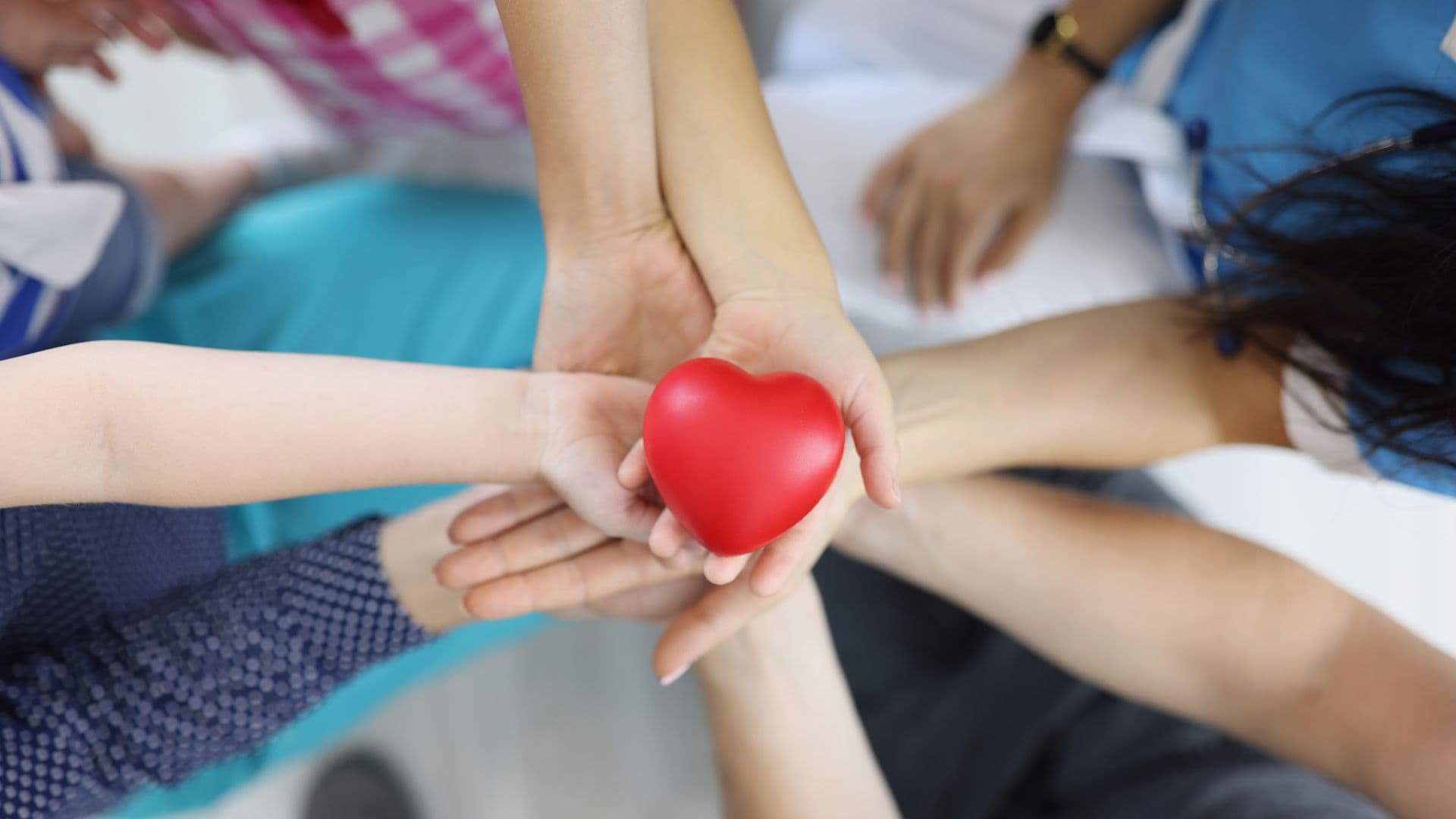
Being a Mother After Cancer—Pregnancy after Cancer
Recent studies by the Institut Marquès, fertility clinic from Spain, show that pregnancy after cancer treatment is safe. In these cases, the clinic achieves a pregnancy success rate of 82%.
Until recently, women who wished to have a baby after overcoming cancer were faced with uncertainties as to whether pregnancy could retrigger the cancer. Institut Marquès has shown that having a baby after cancer is safe. The results were the pregnancy success rate of 82% among patients who had undergone IVF treatment after using the services of Oncology and Reproductive Medicine Unit.
his is the most frequently asked question by women who need help to have a baby after overcoming their illness. Institut Marquès’s Oncology and Reproduction Unit studies each case to ensure patients’ safety so that the cancer will not be reactivated during their pregnancy or as a consequence of it. To do so, this unit is composed of 20 doctors from different specialties: oncology, radiotherapy, surgery, gynaecology, endocrinology, etc. All information is evaluated: diagnosis, treatment, and controls to determine when it is safe to start and which techniques are advised.
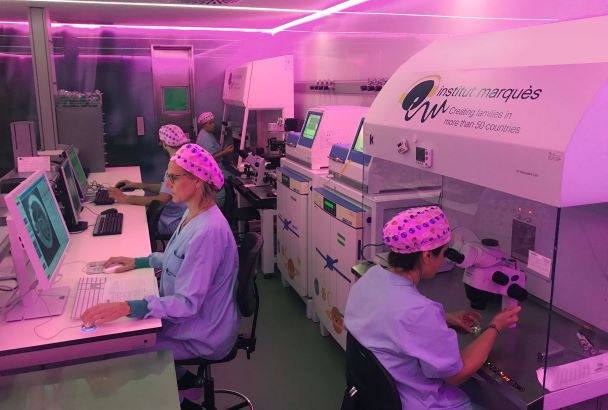
From the total number of women that ask for Institut Marquès’s advice, the beginning of treatment is approved in 91% of the cases and the pregnancy rate is very high: 82% of the patients have a baby.Institut Marques lab goes pink for Breast Cancer Day
Currently, 89% of the patients whose cases were researched by Institut Marquès were diagnosed as healthy enough to start their fertility treatment. 82% of these women fell pregnant after various reproductive treatments. 70% of women gave birth within 2 years from their first visit consultation at the Institute.
Why do I need help to become a mother?
Both cancer and its treatment can affect a woman’s fertility, but it is the delay of the maternity in the majority of the cases, which causes the need to undergo an assisted reproduction treatment to have a child after cancer. Although fertility preservation is more and more frequent before cancer treatment, according to Institut Marquès’s study, only 1 in 10 women who began assisted reproductive cycle had their eggs frozen before their cancer treatment. Thus, IVF, embryo donation and, in most cases, egg donation, are the most common treatments among the patients of Institut Marquès’s specialised unit.
However, it is very important to remember that if you have overcome cancer it is possible for you to become a mother. More young women are diagnosed with cancer but there are treatments that actually cure it. Current reports confirm that 85% of cancer patients under 50 beat this terrible disease.
When a patient is diagnosed with cancer, it is often not considered whether they may want to become a mother in the future. These patients are faced with and have to win two battles: against cancer and, after being treated, the other against all the obstacles put up by doctors and their family who may insist on quitting on trying to become a mother as pregnancy may pose a risk.
Institut Marquès wants to send out a clear message to the medical community not to fall into default and say “No” to women with a history of cancer who wish to have a baby. The doctors’ experience at Institut Marquès shows that if patient’s assessment and medical examination is performed, and the patient is fit for pregnancy, the only risk that is simply the natural risk involved in any pregnancy.
Pregnancy after breast cancer treatment and other diseases
The specialised unit in Reproductive Council of Institut Marquès has already treated women from around the world. The initial consultation can be done in your home country. Did you know that you can visit Institut Marquès in Ireland? You can have your first consultation in Clane, Dublin or London. Then you can travel to Spain, or Italy to complete the Assisted Reproduction treatment at the clinic’s premises.
The cancer-survivor patients who come to the clinic are usually around the age of 40. The majority of them have been through breast cancer, others overcome the hematologic type of cancer (leukaemia, lymphoma or ovarian cancer). On average, women take about 8 years, from the onset of cancer diagnosis, before they start to actively seek professional advice on how to become mothers. The great news is that 7 out of 10 women become mothers in less than two years after their first consultation. All women are closely monitored by their oncologists at the Institute and, on average, after two years, they remain healthy. There is definitely hope if you have had cancer treatment and you dream of becoming a mother.
Need help choosing an IVF clinic abroad?
Take 3 minutes to complete our Clinic Matching Test and save yourself hours of searching, comparing, and contacting clinics on your own. Tell us what matters most to you — your treatment type, destination preferences, expectations, and personal situation — and we will match you with 3 trusted IVF clinics abroad that fit your needs.
Our database includes only experienced fertility clinics that regularly support international patients and understand what matters during treatment abroad: clear communication, transparent information, patient care, and professional support.
The selected clinics will contact you directly within 3 working days, so you can compare your options and take the next step with more confidence.
IVF AWARD 2016: Assisting Nature Greece – Innovations
Assisting Nature is a modern fertility clinic based in Greece (Thessaloniki) with 75% average success rate and 750+ performed IVF cycles a year. The clinic offers a wide range of fertility treatments including surrogacy and IVF treatment not only for married couples but also for single women or same sex parents. Why should you visit […]
IVF with Donor Eggs Abroad: Join the Best Support Forums
Forums discussing IVF with donor eggs abroad offer a supportive space for women considering or undergoing fertility treatments in overseas clinics. Here, moms-to-be can connect and share personal experiences, from navigating foreign IVF clinics to coping with the unique emotions tied to using donor eggs.
Whether you’re just beginning or further along in the process, these forums are filled with real stories, practical advice, and warm encouragement that make the journey feel a bit easier.
Advantages of Late Motherhood
You have finished your studies, found your first job and you discover that independent living is a costly affair and that you cannot afford fashionable clothes, dinners at restaurants or holidays abroad because of low pay. You do not want to give up pleasures and count every penny. Therefore, you focus on your job and […]
The Fertility Tourism Survey 2020
The Fertility Tourism Survey 2020 The Fertility Tourism Survey 2020 is a joint initiative launched by the International Fertility Company, Fertility Network UK, EggDonationFriends, FertilityClinicsAbroad and FertilityClinicsAbroad.com to identify the reasons why anyone would consider travelling for fertility treatment. Building on a similar exercise conducted in 2016 the survey is designed to shape future support […]
3 parent baby – groundbreaking pronucleus transfer – interview with Nadiya Clinic
Three-parent baby – the beginning Let’s start with the early onset of IVF treatment. IVF was indeed a breakthrough infertility treatment and although the first IVF baby was born 1978, not all medical cases were a success. Dr. Valery Zukin from Nadiya Clinic noticed that one of his patient’s embryos ceased to develop on day […]
IVF journey – how to cope with IVF emotional rollercoaster
All women trying to conceive with the help of assisted reproduction technologies will agree: the IVF journey is never easy, but it can be so rewarding that you forget about all the anxiety, sadness and stress once you hold that sweet baby of yours in your arms. The IVF success rates of the best fertility […]
Surrogacy in Ukraine – legal aspects, cost and agencies in Ukraine
Assisted Reproductive Technologies (ART) are rapidly developing, and today, thanks to IVF and surrogacy, infertile couples around the world can now become parents even with the most challenging forms of infertility. If IVF or egg donation treatment is not recommended in your case, it worth to consider surrogacy as an option. Surrogate motherhood programs are […]
Egg Donors in Spain—All You Need to Know: Availability, Legal Aspects, and Qualification Explained
Egg donation has become an essential part of the assisted reproduction process for many women who, for different reasons, do not have their own oocytes for fertilisation. In fact, more than 13,000 cycles were carried out in Spain using donor oocytes, according to the latest report by the Spanish Fertility Society (SEF in Spanish). This number places Spain at the head of Europe and demonstrates the confidence that both donors and recipients place in the Spanish health system.