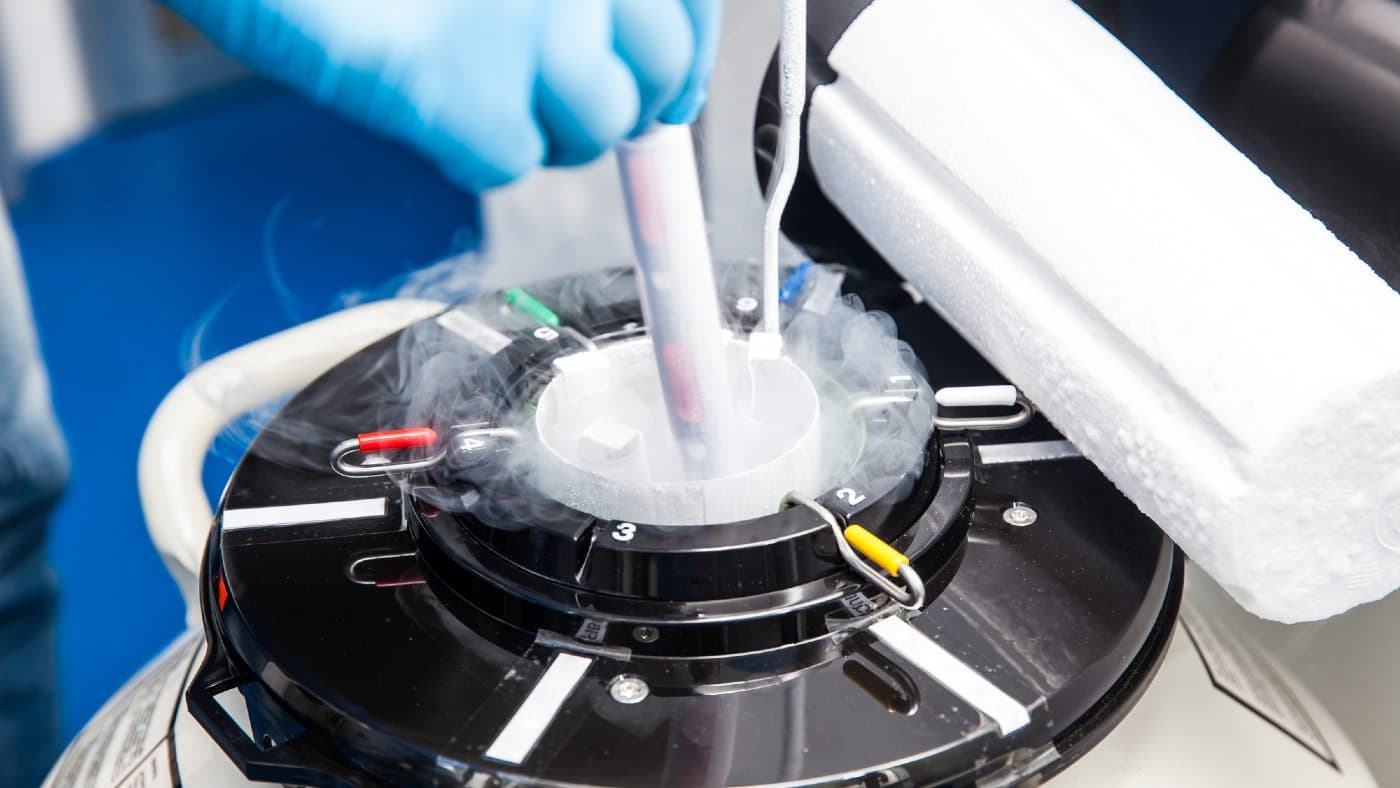
All women are born with a specific number of eggs, about 2 million, which are released over the course of their lives up until their menopause. Women’s bodies are unable to generate new oocytes. Our body is only able to generate eggs whilst we are growing inside our mother’s womb.
This ovarian reserve of 2 million eggs that we have when we are born reduces quite considerably during puberty to between 400,000 and 500,000 oocytes. Unfortunately, human eggs, just like chicken eggs, have an expiry date. Just like other human body organs are “programmed” by nature to last us for a specific time (e.g. placenta – 9 months, milk teeth – a few years), female egg quality deteriorates with age and
oocytes inevitably lose their ability to generate a pregnancy once we reach 35 to 40 years of age.
What is a good ovarian reserve? At the age of 25 your AMH level should be about 5.4 ng/ml, when you are 35 it drops to 2.3 ng/ml and in your forties, you can expect AMH as low as 0.07 ng/ml. It is important to stress that when doctors test your ovarian reserve, they can tell you about your egg count. This is just one of the factors affecting fertility. Egg quality has a huge impact, too.
Does low ovarian reserve mean early menopause? The condition usually touches women who experience menopause, but the rate of decrease varies from patient to patient. Certainly, age is a factor here, but poor ovarian reserve can also a result of some genetic abnormalities, medical treatments, and even injury.
Low ovarian reserve and pregnancy
A woman’s ovarian reserve will vary depending on age and individual characteristics. Natural selection makes sure that the best eggs – those that are best suited for pregnancy – are the ones that are released during the first few years of menstruation whilst women are still young. With age, a woman’s body develops eggs with a worse prognosis for a healthy pregnancy. Women over 36 may experience difficulties both in getting pregnant and in terms of increased chances for pregnancy with complications. For example, in case of Down’s Syndrome, the chance of having a child with this condition at 42 years of age is 1 in every 60 pregnancies compared with 1 in every 1,000 pregnancies at 30 years of age.
However, it is true that this natural selection process would have made more sense centuries ago when, in order to have a child, a woman had to be 'young’. At that time life expectancy was really low, e.g. in Iron Age, it was 26, in 18
th century France 27-30, nowadays it is about 70. The quality of life has improved and life expectancy is far greater in the 21st century and does not pose a physical impediment in terms of raising children. In fact, it is believed that women are now better prepared for this role, socially and professionally.
In the light of these facts, there is little we can do to give our eggs a longer life. The number of infertility cases associated with reduced ovarian reserve is on the increase. Women who, at the age of 20 or 25, would have had no issues at all in getting pregnant, are faced with decreased ovarian reserve diagnosis when they are over 30. The chances of pregnancy with low ovarian reserve are very slim. Can you get pregnant with low ovarian reserve at all? Yes, but it may mean you may need to try IVF with donor eggs in order to become a mother.
How to get pregnant with low ovarian reserve
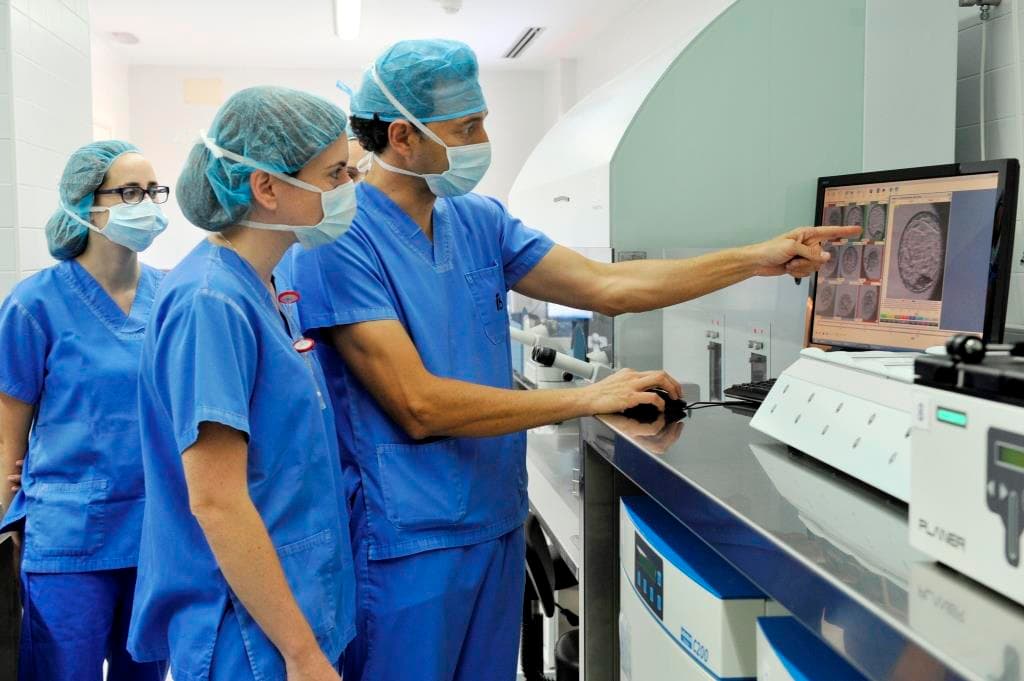
Instituto Bernabeu specialist unit offers diminished ovarian reserve treatment to patients with low AMH levels. The clinic provides women with an option of getting pregnant using IVF with own eggs. The fertility specialists at Instituto Bernabeu perform an analysis of all associated aspects and design personalised treatment plan designed to optimise the quantity of eggs and their ability to be properly fertilised. This specialist unit at Instituto Bernabeu includes an interdisciplinary team of gynaecologists, reproduction biologists, pharmacists, endocrinologists and geneticists who are pioneers in applying solutions to improve ovarian reserve. The doctors believe in the holistic approach and take into account all aspects in order to deal with every medical case from a multifaceted point of view.
Low ovarian reserve research at Instituto Bernabeu
A committed in-house R&D programme applied daily at Instituto Bernabeu means that the clinic, one of the most prestigious reproductive medicine clinics that have been running since 1985, can lead progress in ovarian research work backed by innumerable scientific publications and international research projects. If you are interested to find out more about low ovarian reserve and pregnancy and the
money back guarantee, contact
Instituto Bernabeu for more information.
Need help choosing an IVF clinic abroad?
Take 3 minutes to complete our Clinic Matching Test and save yourself hours of searching, comparing, and contacting clinics on your own. Tell us what matters most to you — your treatment type, destination preferences, expectations, and personal situation — and we will match you with 3 trusted IVF clinics abroad that fit your needs.
Our database includes only experienced fertility clinics that regularly support international patients and understand what matters during treatment abroad: clear communication, transparent information, patient care, and professional support.
The selected clinics will contact you directly within 3 working days, so you can compare your options and take the next step with more confidence.