Using donor eggs in IVF treatment is an ideal reproductive solution for many women who cannot achieve pregnancy with their own eggs. Did you know that women are born with two million eggs, and once they reach puberty the amount of eggs is already reduced to only 400,000? When a woman is 38 the egg quality decreases considerably, and at 41 the reproductive capacity is really low.
Using donor eggs in IVF is a fertility treatment that is best suited for patients who are not able to use their own biological material for a number of reasons. It may be because their oocytes cannot generate a viable pregnancy, or because they could possibly generate a viable pregnancy, however, the chances of it are so low that it’s not recommended by doctors or not financially feasible to do IVF with their own oocytes. Using donor eggs is commonplace at all Spanish fertility centres, but not legal in some other European countries like Germany where donor eggs IVF is prohibited by law. The Spanish law that regulates Assisted Reproduction in Spain guarantees the anonymity of the donors, which allows safe and high-quality donations. This is why couples from all over the world travel to the IVF Spain fertility clinic in Alicante, seeking a quality solution for their fertility problems. For most of the clinic’s patients, infertility is due to alterations of the sperm parameters, whilst the biggest fertility issue for women is definitely age.
Donating eggs is a philanthropic, anonymous and voluntary act. Donors receive a symbolic financial compensation for their contribution. Let us not forget that thanks to these heroines it is possible for other women to fulfil their dream of creating a family.
One of the most frequent questions that patients ask is how the selection of the woman that will help them conceive a healthy baby is carried out and what information can be known about the donor.
Egg donor process at IVF Spain
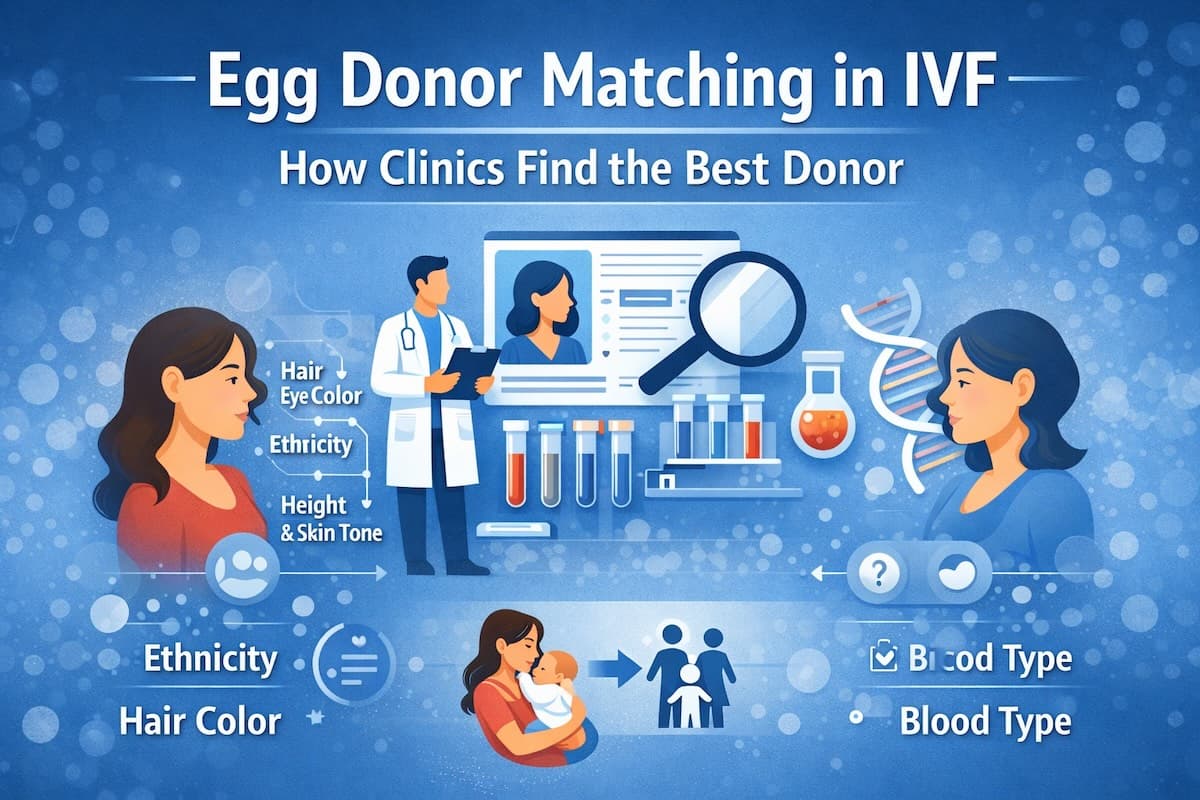
The donor selection process in IVF Spain is legal and regulated by the Law of Assisted Reproduction. This law says that the donor and recipient must share the maximum possible phenotypical similarity, that is, that they are physically similar. During the first visit of the patients we request a high quality and representative photograph of the future parents with which we will analyse their main features and choose the perfect donor for them.
Bear in mind that the final phenotype of the longed-for baby is not exactly predictable, since it depends on multiple genes and how they interact with each other and with the environment, which in this case is the pregnant mother. Therefore, it is possible for parents with characteristic phenotypical traits such as pale skin, to find that their child does not possess exactly that trait (e.g. slightly darker skin). This process is absolutely normal and widely known, since it can be observed in any couple that has had a child with or without the help of reproductive medicine.
Would you like your baby to share your blood type? IVF Spain doctors apply another phenotypic selection criterion if you express the wish that your baby has the same blood type as one of the parents. In such case the egg donor will be selected according to this specific characteristic.
Furthermore, the Spanish Law of Assisted Reproduction constitutes of requirements to guarantee the baby’s health so that neither the child, nor future generations are at risk of serious diseases. Among the most important criteria to determine whether an egg donor is ideal is her age, since the egg quality greatly depends on this important factor.
In Spain anonymous egg donors are legal
Egg donor requirements
In Spain the minimum age to donate eggs is 18 and the maximum is 35; however, IVF Spain recommends and uses donors under 30 years of age. The clinic’s donor average age is 25, since this range of age increases the chance of a successful pregnancy.
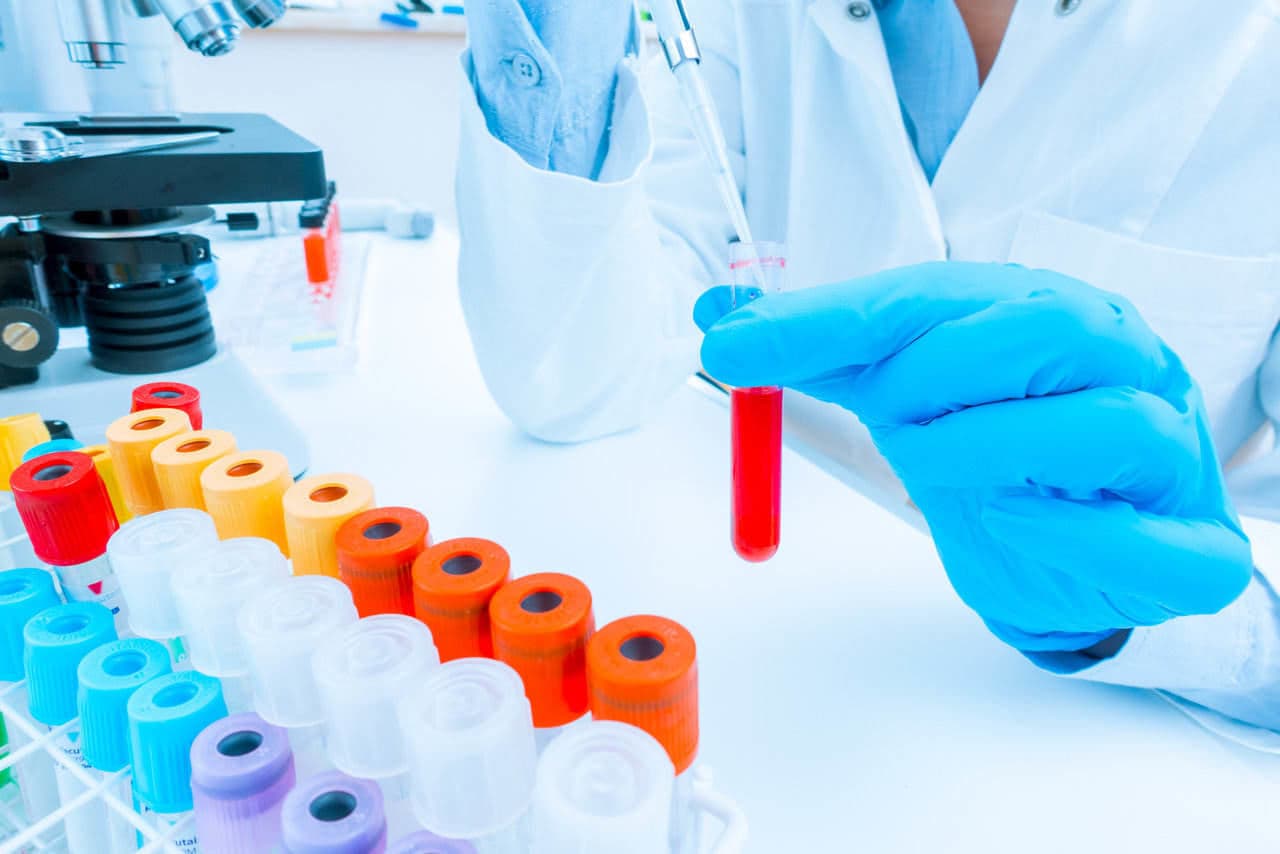
Requirements for egg donors in Europe are very strict. Their health is guaranteed. At IVF Spain they undergo health investigation and thorough screening including tests for serious diseases like HIV, Chlamydia, Hepatitis, Rubella, Toxoplasmosis, Cytomegalovirus or Syphilis, among others. A genetic and chromosomic test is also performed on egg donors to rule out possible alterations.
IVF Spain has taken one step further and their fertility experts also apply the Recombine test to all their donors. This is a preconception genetic diagnostic test with which the doctors obtain information about more than 200 monogenic recessive diseases and can therefore rule out diseases such as Cystic Fibrosis and Fragile X Syndrome, among others.
Egg donor process – the final tests
Once the donor’s general health is guaranteed, her reproductive health is tested. For this a fertility study is performed that includes the levels of anti-Müllerian hormone (AMH).
Last but not least, a psychological test is performed. The aim of this test is to look at and evaluate the donor’s mental health before, during and after the treatment.
The strict requirements for egg donors, meticulous egg donor screening process, donors’ young age (high quality oocytes) add up to ensure high IVF success rates using donor eggs.
Without a doubt, being an egg donor requires huge amounts of generosity and empathy. Thanks to egg donors’ selfless contribution many infertile couples accomplish their dream of becoming parents. “Each and every couple that visits our clinic expresses their immense gratitude towards these anonymous heroines” – says Inge Kormelink from IVF Spain.
Aleksander Wiecki is Chief Marketing Officer of IVF Media and has worked in the fertility field since 2008, leading marketing and patient experience. He is Vice-Chair of the European Fertility Society, Chair of its Cross Border Reproductive Care Committee, and a member of ESHRE. Read full bio
Need help choosing an IVF clinic abroad?
Take 3 minutes to complete our Clinic Matching Test and save yourself hours of searching, comparing, and contacting clinics on your own. Tell us what matters most to you — your treatment type, destination preferences, expectations, and personal situation — and we will match you with 3 trusted IVF clinics abroad that fit your needs.
Our database includes only experienced fertility clinics that regularly support international patients and understand what matters during treatment abroad: clear communication, transparent information, patient care, and professional support.
The selected clinics will contact you directly within 3 working days, so you can compare your options and take the next step with more confidence.
When you are happy parents to donor conceived child and everything has gone as planned, it might be the time to think through how and when to talk to your child about the origins of their creation. This is a very frequently discussed topic for the parents of donor egg babies. Every parent struggles with […]
Ovarian reserve: getting pregnant with low ovarian reserve
All women are born with a specific number of eggs, about 2 million, which are released over the course of their lives up until their menopause. Women’s bodies are unable to generate new oocytes. Our body is only able to generate eggs whilst we are growing inside our mother’s womb. This ovarian reserve of 2 […]
Egg Donor Matching in IVF: How Clinics Find the Best Donor for You
For patients preparing for IVF with donor eggs, one of the most common and emotionally significant questions is: “Will the baby look like me?” This concern is entirely understandable. Physical resemblance plays an important role in emotional bonding, self-identity, and how intended parents imagine their future family. For many women, particularly those travelling abroad for […]
Egg Donors in Portugal – Everything You Need to Know
Are you considering using an egg donor to have a child? Whether you are struggling to conceive with your own eggs or are concerned about passing genetic conditions to your future offspring, using an egg donor can be a promising path to building your family. But with such an important decision, where do you start?
IVF money back guarantee program at Instituto Bernabeu
Instituto Bernabeu has over 32 years of experience in the field of fertility medicine and has already assisted 46,400 patients from 63 different countries. This reproductive medicine centre based in Alicante, Spain and is led by a highly specialised team including gynaecologists, embryologists, biologists, geneticists and endocrinologists, in addition to the latest technology and specialised […]
CarrierMap Screening – Am I a Genetic Disease Carrier?
With the rapid development of the field of genomics, scientists are beginning to know increasingly more about genetic diseases and the impact of our DNA. The pioneers and leaders of reproductive genetic testing, Reprogenetics℠, Recombine℠, and Genesis Genetics℠, have joined forces as CooperGenomics℠ to provide genetic tests and services for every step of the fertility […]
Egg freezing – all you need to know | Interview with Prof. Luciano Nardo
When it comes to female fertility, age is of paramount importance. As women get older, their oocytes diminish in numbers and in quality and this brings problems with natural conception. That is why egg freezing seems to be a perfect solution that helps pause the biological clock. We have interviewed Prof. Luciano Nardo, Clinical Director […]
IVF in Czech Clinic, Praga Medica
Did you know that 20% of Czech couples have some kind of problems with fertility? It is a big number and it is unfortunately slowly growing. This health issue is quite common in the Czech Republic. Infertility is never biased and touches couples of different educational and income levels. With the infertility problem rising and IVF […]
Best Countries for IVF Revealed
Popular countries, costs, success rates, legal frameworks and availability in one comprehensive 100-page guide. 10K+ downloads